Pulp bazlı nonwoven üretimi
Pulp içeren nonwovenlar; kuru ve nemli mendiller ile nemli tuvalet kağıdı(MTT) gibi hijyen ürünlerinde giderek daha fazla kullanılmaktadır. Çok kısa selüloz liflerinin işlenmesi, tülbent oluşumu ve bağlama için özel konseptler gerektirir – tam olarak burada tesis konseptlerimiz devreye girer..
Bir lif - iki teknoloji
WLS (Wet-Laid/Spunlace – Yaş Serim/Spunlace) süreçlerinde, tülbentin tamamı ıslak serim yöntemiyle oluşturulur ve ardından su ile bağlanır. Bu durum, süreci ıslak tuvalet kağıdı gibi suda çözünebilir (flushable) ürünler için, ayrıca daha yüksek mukavemet gerektiren mendiller için ideal hale getirir.
CP süreçleri (Carded/Pulp), ıslak serilmiş bir pulp katmanı, daha uzun elyaflardan oluşan bir taraklanmış katman birleştirir; her ikisi de yüksek basınçlı su jetleriyle birlikte bağlanır. Nihai ürünler bebek ve kişisel bakım için mendillerdir.
Tesis konseptimiz maksimum ürün esnekliği sunar, böylece CPC (Carded/Pulp/Carded), CAC (Carded/Airlaid/Carded) ve SPC (Spunbond/Pulp/Carded) ürünleri de gerçekleştirilebilir.
Pulp tabanlı nonwovenlar nedir?
Selüloz pulp, kağıt endüstrisinin temel hammaddesidir ve bu nedenle ucuz ve dünyanın her yerinde bulunabilir.
Ancak mekanik olarak bağlanmış, pulp bazlı bir nonwoven hiçbir zaman %100 pulpdan oluşmaz - nihai ürünün gerekli mukavemetini sağlamak için her zaman bir oranda daha uzun lif eklenmesi gerekir.
Selüloz bazlı nonwoven kumaşların hammaddeleri nelerdir?
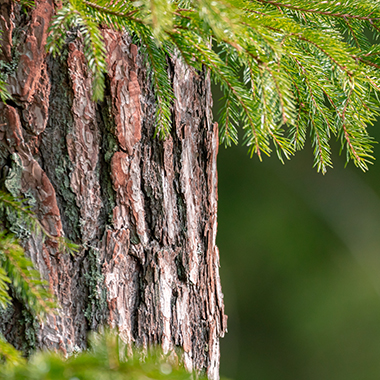
Çam ve ladin gibi plantasyon kökenli ağaçlardan elde edilen NBSK pulpı
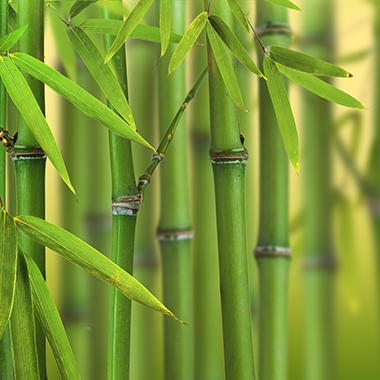
Ağaç kökenli pulp olmayan örneğin bambu
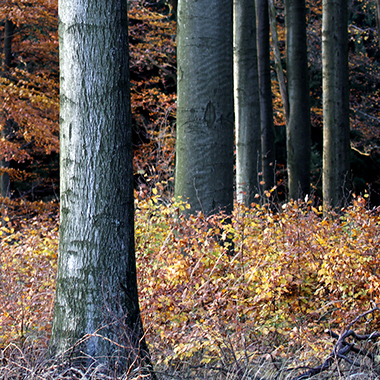
Viskon veya lyocell gibi selüloz bazlı sentetik elyaflar
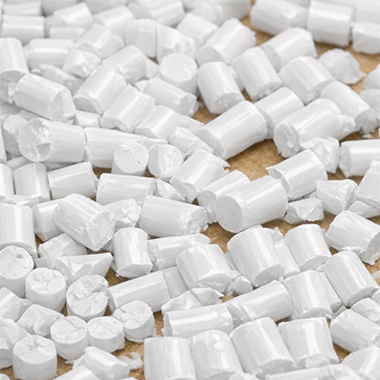
Suda dağılabilen doğal veya sentetik lifler
Selüloz, tek kullanımlık ıslak mendiller için neden akıllı bir seçim?

Yenilenebilir hammaddelerden
Odun bazlı veya odun bazlı olmayan pulp, artı %100 viskon veya lyocell selülozik elyaflar

Biyolojik olarak bozunabilir
Selüloz bazlı nonwoven toprakta 10–12 hafta içinde tamamen parçalanır - özellikle mikroplastik oluşturmadan

Düşük CO₂ ayak izi
Pulp, biyojenik karbon sayesinde avantajlı bir CO₂ dengesi sunar

Geleceğe hazır
Mikroplastik ve çevreye uyumluluk konusunda daha sıkı kurallar sürdürülebilir alternatifleri destekliyor
Hammadde olarak pulp – özellikler ve süreçler anlaşılır şekilde açıklanıyor

Hangi nihai ürünler pulp bazlı sılak serim ile üretilir?
WLS ve CP nonwovenları ve selüloz katmanı içeren diğer kompozit nonwovenlar (örn. CPC, CAC ve SPC) mendillere dönüştürülür. Ticari olarak şunlar bulunmaktadır:
- kuru mendiller
- ıslak mendiller
- Suda çözünebilir mendiller
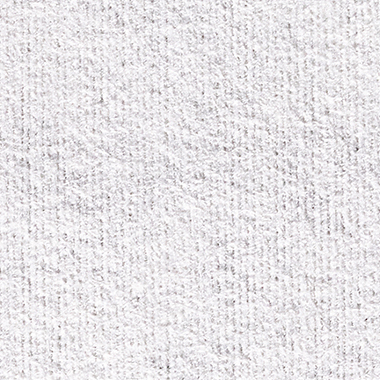
WLS nemli tuvalet kağıdı (MTT)
EDANA sertifikalı
65 gsm
80% Pulp / 20% Lyocell
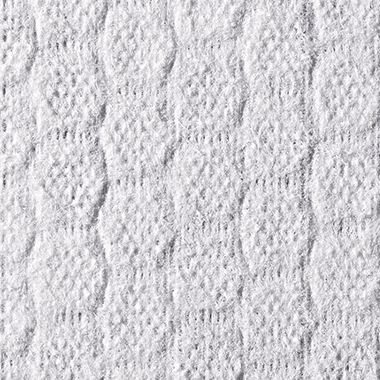
WLS yapılandırılmış mendil
60 gsm
80% Pulp / 20% Lyocell
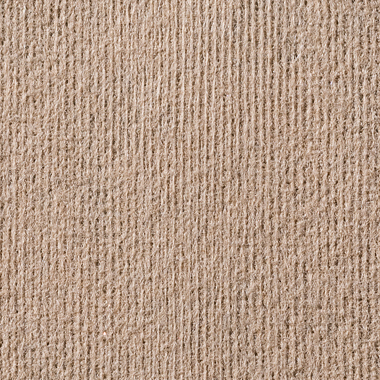
CP mendil
60 gsm
80% Ağartılmamış Pulp /
20% Lyocell
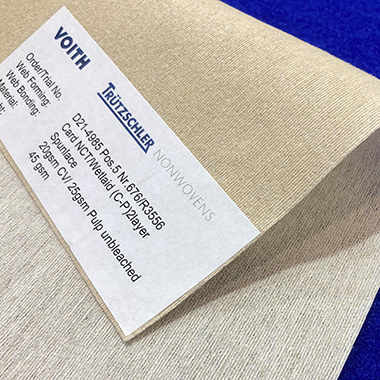
CP 2 taraflı mendil
45 gsm
25 gsm Ağartılmamış /
20 gsm Viskon
Pulp bazlı nonwovenlar üretimleri için teknolojilerimiz
Pulp verimli şekilde işlemek için "normal" üretim sürecinin birçok adımının uyarlanması gerekir. Nihai ürünler kitlesel tüketim ürünleri olduğundan, üretimin mümkün olduğunca maliyet etkin olması gerekir - yani hızlı, düşük enerjili ve kayıpsız.
Tülbent oluşumu
Ortağımız Voith, özel nonwoven üretimi için kanıtlanmış ıslak serim teknolojisini erkenden geliştirdi. Voith'in katman oluşturma teknolojisi, WLS ve CP tesislerinde homojen bir tülbent üretir; bu tülbent %100 pulp (CP süreçleri için) veya pulp ile ek kısa liflerin (örn. selüloz lifleri, PET vb.) bir karışımından oluşur. CP süreçlerinde TWF-NCT-X tarağımız, genel sürece ek bir tülbent tabakası ekler.
Sonuç: düzgün alan ağırlıkları, tekrarlanabilir ürün kalitesi ve mükemmel görünüm ve doku.


Tülbent bağlama
AquaJet'imizle su jetiyle bağlama, lifleri - ve isteğe bağlı tülbent tabakalarını - tamamen mekanik olarak birleştirir.
Bu, kimyasal bağlayıcı kullanmadan yumuşak, emici ve aynı zamanda dayanıklı nonwovenlar üretmeyi sağlar.
Kurutma
Pulp, su ile bağlama sırasında çok fazla su emer. Ancak tülbent yapısını ve hacmini bozmamak için yalnızca kısmen mekanik olarak suyu alınabilir.
MPD (Modüler Yüksek Performanslı Kurutucu) ile bu süreç adımı için güçlü, enerji verimli bir kurutma çözümü sunuyoruz.
Sonuç: her nonwoven hassas şekilde kurutulur, böylece istenen özellikler korunur.

Pulp bazlı nonwovenlar için üretim hatlarımız
Trützschler Nonwovens ve iş ortağı Voith, çeşitli verimli makine ve üretim hattı konseptleri sunmaktadır.
WLS ve CP üretim tesisleri için tesis özellikleri
Tülbent gramaj: 30–100 gsm
Elyaflar: selüloz, viskon, lyocell, PET ve diğer dağılabilir kısa kesim lifler
Üretim kapasitesi: yıllık >20.000 ton
(elyaf türüne, tülbent gramajına ve çalışma genişliğine bağlı olarak)
Başlıca nihai ürünler: suda çözünebilir (flushable) mendiller ve bebek veya vücut bakımı için yüksek kaliteli ıslak mendiller
WLS – yüksek üretkenliğe sahip bir süreç
WLS, maksimum üretkenlik ve minimum malzeme kaybıyla pulp ve kısa liflerden suda çözünebilen veya mukavemetli nonwovenlar üretmek isteyen üreticiler için ideal konsepttir.
Tercih ettiğimiz karışım, iğne yapraklı ağaç (NBSK) pulp ile 8–12 mm uzunluğunda viskon, lyocell veya PET liflerinden oluşur.
Suda çözünebilir veya tam mukavemetli mendiller için bir WLS üretim hattı

Carded/Pulp – maksimum esneklik odaklı tasarım
CP üretim hatları,tek bir hatta farklı nonwoven türleri üretmek isteyen üreticiler için özellikle uygundur – maliyet etkin, pulp bazlı üründen klasik, su jetiyle bağlanmış taraklanmış nonwovenlara kadar. CP konseptinin esnekliği yatırım riskini azaltır ve pazara uyum yeteneğini artırır.
Çok katmanlı kompozit nonwovenlar
CP teknolojisi temel alınarak, ilave çok katmanlı kompozit nonwovenler üretilebilir. Bir ıslak serici ve tarak makinesinden oluşan temel konfigürasyon, hedefe yönelik olarak genişletilebilir; örneğin premium mendil uygulamaları için CPC nonwovenler (Carded/Pulp/Carded) üretmek üzere ilave bir tarak eklenebilir.Alternatif olarak, açıcılar (unwinder) aracılığıyla CP sürecine ek tabakalar beslenebilir. Örneğin bir spunbond tabakasının eklenmesiyle bir SPC nonwovenı (Spunbond/Pulp/Carded) üretilebilir.
Bu kompozit nonwovenler, CP hatlarının ürün portföyünü genişletir ve esnekliklerini ortaya koyar.
Esnek bir CP nonwoven hattı

İki konsept, çok sayıda olasılık: WLS ve CP hakkında sorularınız
Geleceğe hazır mendiller için bir temel olarak pulp bazlı nonwovenler
Pulp bazlı nonwovenler, üreticilere sürdürülebilirlik, performans ve maliyet verimliliğini dengelemek için güçlü bir yol sunar. Küresel pazarlarda, biyobozunurluk, mikroplastik ve çevresel güvenlik konusundaki düzenlemeler giderek sıkılaşmakta – bu durum bebek mendilleri, vücut mendilleri ve özellikle suda çözünebilir uygulamalar gibi hijyen ürünlerini doğrudan etkilemektedir.
Pulp bazlı WLS ve CP alt tabakalarını tercih ederek üreticiler, bu sıkılaşan gereksinimleri karşılarken ürün portföylerini geleceğe karşı hazır hale getirebilirler. Trützschler, üreticileri yalnızca teknolojik değil aynı zamanda stratejik olarak da destekler—ilk denemelerden hat tasarımına, ölçeklenebilir seri üretime kadar.