T-ONE: The digital future of nonwoven production
T‑ONE is Trützschler Nonwovens’ modular software solution for smart production processes and sustainable efficiency improvements.
Based on a single source of truth, T‑ONE unifies all data, functions and best practices – regardless of machine type, line age or IT infrastructure.
Whether needle-punching, air-through bonding, hydroentangling, spunlacing, spunbond or meltblown processes: T‑ONE establishes the foundation for production excellence, streamlined workflows and long‑term competitiveness.
More time for what really matters
We call T‑ONE a “digital working environment” because it supports a wide range of tasks – from quality control and recipe management to KPI analysis, process optimization, continuous line monitoring, and energy and data management.
Your benefits at a glance:
Centralized data management and complete transparency
Digitized routine tasks (e.g. quality control)
AI‑assisted optimization and continuous improvement
Scalability and easy integration into existing systems
Support for sustainability goals through energy and CO₂ management
Knowledge retention within the company
Table of content
- Proven successes of T‑ONE
- Which modules and features are available?
- Which are the benefits of digitalizing with T‑ONE?
- The path to T-ONE - structure, approach and collaboration
- Why do customers value working with T‑ONE?
What proven successes have been achieved with T‑ONE?
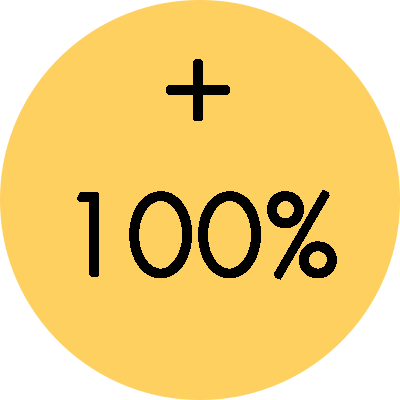
Up to 100% higher production speeds
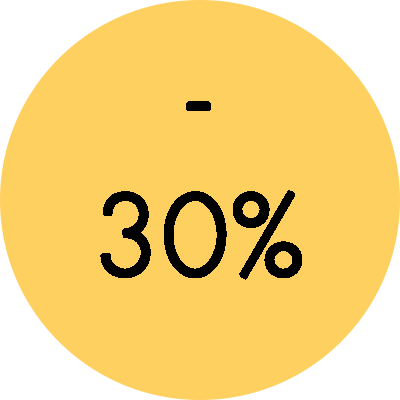
Up to 30% less waste
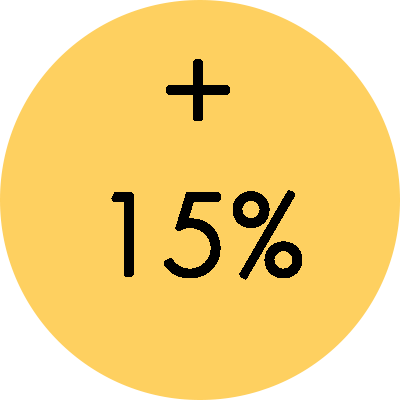
Up to 15% better product properties
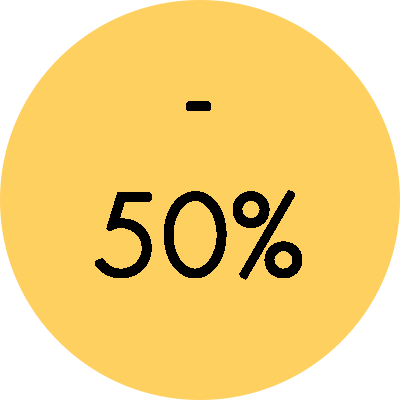
Up to 50% shorter product development time
General questions about T-ONE

Which modules & features does T‑ONE offer?
Each software module supports a mission‑critical task within nonwoven production and enables intelligent, streamlined workflows. T‑ONE increases efficiency across the production line and within the team, while enabling transparent and future‑proof production processes. Currently, eight modules are implemented:
- Interfaces & historization (long-term data storage)
- Quality Control
- Recipe Management
- Production Documentation
- KPIs and Continuous Improvement
- Process Monitoring and Energy Management
- Process Optimization
- Anomaly Detection
Every module is designed to enable smart production processes, increase efficiency, and make production transparent and future‑proof.

.
.
Frequently asked questions about modules and functions of T‑ONE
Where are the advantages of digitalizing with T‑ONE?
The T‑ONE modules combine all relevant data and processes in a central working environment. Systematic workflows based on implemented, proven routines—so‑called best practices—provide decisive advantages for sustainable production excellence.
Specific advantages of T‑ONE
Single-source-of-truth:
T‑ONE users have access to all relevant production data via the central T‑ONE database – ranging from customer specifications, measurement plans and CoA (Certificate of Analysis) templates to process parameters, KPIs and measurement data for every nonwoven roll produced. This ensures that all teams work with the same consistently up‑to‑date information and make data‑driven decisions, increasing overall performance and aligning results across different shifts.
Digital twin for every nonwoven roll:
Complete data is the foundation of everything: T‑ONE fully documents all relevant information – recipe, machine settings, quality measurements. They are accessible at any time.
Advantages of a digitalized production
More efficient. More transparent. More competitive.
Digitalized production processes connect machines, materials and data in real time. This results in stable workflows, less waste and optimally used resources. Continuously available production and quality data enable faster, better‑informed decisions and measurably reduce downtime and costs. At the same time, flexibility increases: product changes, adjustments and optimizations can be executed faster and more reliably – a critical foundation for high delivery performance and sustainable growth.
Digitalization helps companies reduce costs, accelerate innovation and adapt flexibly to changing market conditions.
AI-based optimization:
Active support and therefore reduced risk during process adjustments: AI‑assisted suggestions and simulations help your teams identify optimal machine settings.
Support for the production team:
T‑ONE embeds best practices directly into the system: the software guides users through each step, minimizes sources of error and enables new team members to get started quickly and safely.
Securing and leveraging knowledge:
Support extends beyond daily tasks: recipes and their history remain centrally stored. Changes and their effects are fully traceable.
Develop products faster:
Combining intelligent recipe management, digital documentation and line simulation significantly accelerates product development.
Continuously improve processes:
Custom KPIs, systematic data evaluation and integrated root‑cause analysis increase efficiency, process stability and sustainability step by step.
Increase sustainability & resource efficiency:
T‑ONE helps reduce energy consumption, CO₂ footprint and material usage – while maintaining consistently high product quality.
Frequently asked questions about system and software
The path to T-ONE - structure, approach and collaboration
Introducing T‑ONE is not a traditional IT project, but a structured path toward greater transparency, stability and continuous improvement in nonwoven production. From the initial assessment through step‑by‑step implementation to ongoing optimization, Trützschler supports customers with a clear methodology, defined project phases and close collaboration between all participating teams.
Frequently asked questions about T-ONE projects
Our customer love working with T-ONE. Why?
Customers value T‑ONE because it helps them truly understand their processes—rather than relying on experience or gut feeling.
Production speeds can be increased in a targeted manner because settings, cause‑and‑effect relationships and process limits become transparent. Process stability improves, variation in product properties is reduced, and production speeds can therefore be raised step by step. In many cases, fiber consumption can also be reduced, as more stable processes and lower variability make it possible to reliably achieve the required mechanical properties—such as strength, elongation or nonwoven thickness—even with less material.
At the same time, scrap rates and the share of B‑quality products decrease: operator teams can apply validated machine settings from standardized recipes, detect deviations from target quality at an early stage, and systematically analyze and eliminate their causes. Beyond this, T‑ONE opens up new possibilities in product development. Existing recipes provide a defined starting point, while self‑learning algorithms offer guidance on how product properties can be adjusted in a targeted way. As a result, stable processes for new nonwoven qualities are established at an early stage—shortening development times because results are comparable and progress is transparently documented.
For many customers, T‑ONE is therefore more than just a digital tool: it becomes a shared point of reference for production and development—and an integral part of a data‑driven, learning organization.